

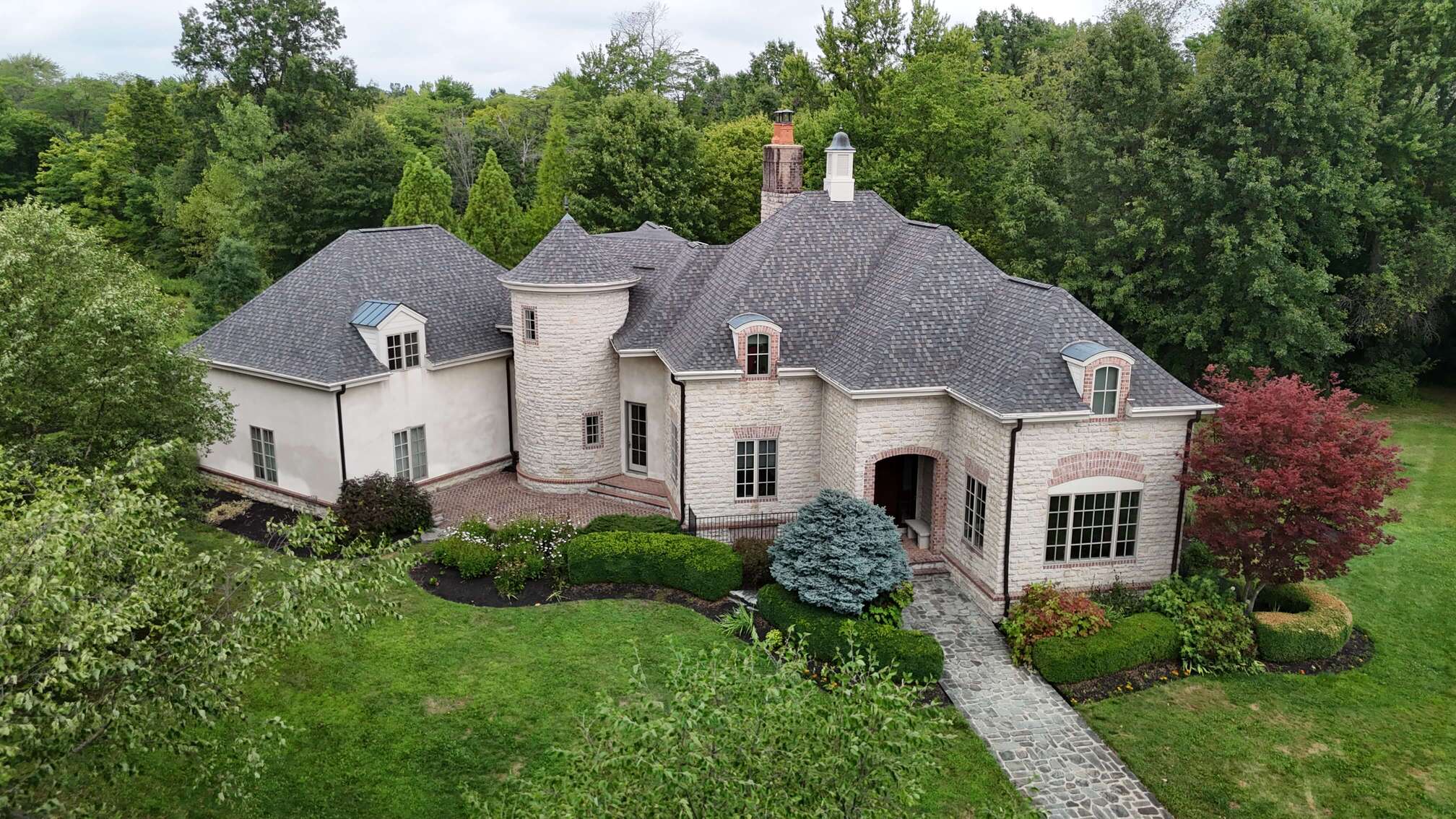
When it comes to replacing your roof in Ohio, knowing the cost upfront is important. The average price for a new roof in Ohio typically falls between $6,000 and $15,000, depending on factors like the size of your home, the materials you choose, and the complexity of the roof design. Understanding these details helps you budget and plan effectively without surprises.
Roof replacement costs can vary widely based on your specific needs. From smaller roofs costing around $5,000 to larger, more complex projects reaching $29,000 or more, the key factors include roofing materials and labor. Choosing the right materials also affects both price and how long your roof will last, so making informed decisions is essential.
We’ve helped many homeowners in Ohio navigate these choices and costs. If you want a clear estimate or need professional advice, call The Roofing Guys at 614-626-7000 for a free inspection. We bring over 30 years of experience serving Columbus and Central Ohio with trusted roofing services for homes and businesses.
Key Takeaways
- Roof costs in Ohio usually range from $6,000 to $15,000 for most homes.
- Material choice and roof size strongly affect the total price.
- Professional inspections help ensure accurate estimates and quality work.
Average New Roof Cost in Ohio
Understanding roof replacement costs helps us plan and choose the right materials and services. The final price depends on roof size, location, and market trends in 2025. We will look closely at these factors to get a clear picture of what a new roof may cost.
Typical Price Ranges by Roof Size
Roof size is one of the biggest factors affecting cost. For a small roof around 1,000 square feet, prices often start near $5,000 to $6,000 with asphalt shingles. Mid-sized roofs around 2,000 square feet usually cost between $7,000 and $15,000, depending on materials and design.
Larger, more complex roofs can exceed $20,000. For example, a 3,000-square-foot roof with premium materials can be $25,000 or more. Tear-off and disposal fees are normally included in these prices.
Cost Differences by Region
Roof replacement costs vary across Ohio due to labor rates and material availability. Urban areas like Columbus or Cleveland may have slightly higher prices because of demand and contractor availability.
In rural areas, costs can be lower but also depend on how far roofers must travel. Inland locations see more competition, often helping keep prices competitive. Still, regional differences rarely change prices by more than 10-15%.
Pricing Trends for 2025
In 2025, the cost of roofing materials has stabilized compared to recent years, but labor costs have risen moderately. Asphalt shingles remain the most budget-friendly option, while metal and slate are pricier.
Roofers in Ohio focus on efficiency and durability, sometimes increasing upfront costs but lowering long-term expenses. We expect average roof replacement costs to range mostly between $6,000 and $15,000 depending on size and materials, consistent with national averages.
Key Factors That Impact Roof Replacement Cost
Several important elements determine how much it will cost to replace a roof in Ohio. We need to consider the size and shape of the roof, the pitch and structural aspects, and the expenses related to old roof removal. Each of these plays a big role in the final price.
Roof Size and Design Complexity
The total square footage of a roof is one of the biggest drivers of cost. Larger roofs require more materials like shingles, underlayment, and flashing. This directly increases expenses.
Design complexity also matters. Simple roofs with few angles and slopes are easier and faster to work on. Complex roofs with multiple levels, valleys, or dormers add labor time and material waste. These features can increase costs by 20% or more.
We also check the fascia and other trim areas. Repairing or replacing them during the project adds costs but often improves the roof’s durability and appearance.
Pitch and Structural Features
Roof pitch, or how steep the roof is, affects both safety and labor difficulty. Steeper roofs need special safety gear and take longer to install, raising labor costs. In Ohio, typical pitch ranges can make a 10-30% difference in price.
Structural features like skylights, chimneys, and vents add to the complexity. These require careful flashing and sealing, which involves more skilled labor. We always perform a roof inspection first to identify these details.
If the structure needs reinforcement or repairs, it adds cost. These details aren’t obvious until we start the job or closely inspect the roof’s condition beforehand.
Tear-Off and Disposal Charges
Removing the old roof before installing the new one adds to the total price. Tear-off costs depend on the number of existing layers and roof size.
Disposal includes hauling away debris and paying landfill fees. In Ohio, these fees vary but make up a notable part of the cost.
In some cases, if the old roof is in good condition, a contractor may suggest overlaying the new roof on top of it. This can save tear-off costs but is not always recommended, especially if the roof has damage or multiple layers.
We factor all these fees into our budgets so homeowners won’t face surprises.
Roofing Material Options and Prices
When choosing a roofing material in Ohio, cost, durability, and style are key factors. Prices can vary widely depending on the type of material and roof size. Some options offer budget-friendly installation while others focus on long-term value.
Asphalt Shingles Cost Breakdown
Asphalt shingles are the most common roofing material in Ohio. We typically see two main types: 3-tab shingles and architectural shingles.
3-tab shingles are cheaper, usually costing around $1 to $2 per square foot. They offer basic protection and last about 15-20 years. Architectural shingles are thicker and more durable. They often cost $2.50 to $4 per square foot and can last 25-30 years.
Installation costs for asphalt roofs generally range from $7,000 to $10,000 for a 2,000-square-foot home. Asphalt is also easier to repair, which can save money over time.
Comparing Metal and Slate Roofs
Metal roofs are gaining popularity because they last 40-70 years and resist weather damage well. They usually cost more upfront, between $5 to $12 per square foot installed. Metal roofing is energy efficient and requires less maintenance.
Slate roofs are much more expensive. We often see prices between $15 and $30 per square foot or higher. Slate is extremely durable and can last over 100 years. However, it requires specialized installation and may add significant weight to the structure. Slate is best for homeowners focused on long-term investment and classic appearance.
Flat and Low-Slope Roof Materials
Flat and low-slope roofs require different materials than pitched roofs. Common choices include modified bitumen, TPO, and EPDM rubber.
These materials generally cost between $3 and $7 per square foot installed. Modified bitumen offers good durability and is often priced on the lower end. TPO and EPDM provide strong resistance to UV rays and weather, which helps reduce repair costs.
Labor is a bigger part of the price with flat roofs since installation is more complex. Maintenance is important as water can pool on flat surfaces, causing leaks if not properly managed.
Selecting a Roofing Contractor in Ohio
Choosing the right roofing contractor affects the quality, cost, and timeline of your roof replacement. We need to understand labor charges, verify qualifications, and value thorough roof inspections and warranties to make an informed choice.
Labor and Installation Charges
Labor costs in Ohio vary based on roof complexity, size, and local rates. Typically, labor is about 40-60% of the total roofing cost. Simple roofs with asphalt shingles cost less to install, while metal or tile roofs require more skill and time, raising labor charges.
We should get detailed quotes that break down labor and material costs. Transparent pricing helps avoid surprises. Also, ask if the roofing contractor includes cleanup and disposal in their charges, as some add fees separately. Understanding these details helps us budget accurately and compare offers easily.
Choosing a Qualified Roofing Service
A qualified roofing contractor must be licensed, insured, and experienced in Ohio roofing standards. We should check online reviews, ask for references, and verify the contractor’s reputation with the Better Business Bureau or local trade groups.
It’s important to pick a roofing service with proven skills in the type of roof we want. For example, asphalt shingles are common, but not all contractors excel in metal or slate installations. A good roofing contractor communicates clearly and provides a written contract outlining the work scope, timeline, and payment terms.
Importance of Roof Inspection and Warranty
Before finalizing a roofing contractor, insist on a thorough roof inspection. This helps identify hidden damage like rotting wood or ventilation issues, which affect installation and costs. A professional inspection ensures the roofer addresses all problems.
We should also focus on the warranty offered. Reliable roofing contractors provide warranties on materials and labor. A material warranty covers defects in the roofing products, while a workmanship warranty protects against installation errors. Warranties vary in length and coverage, so we must ask for details in writing to protect our investment.